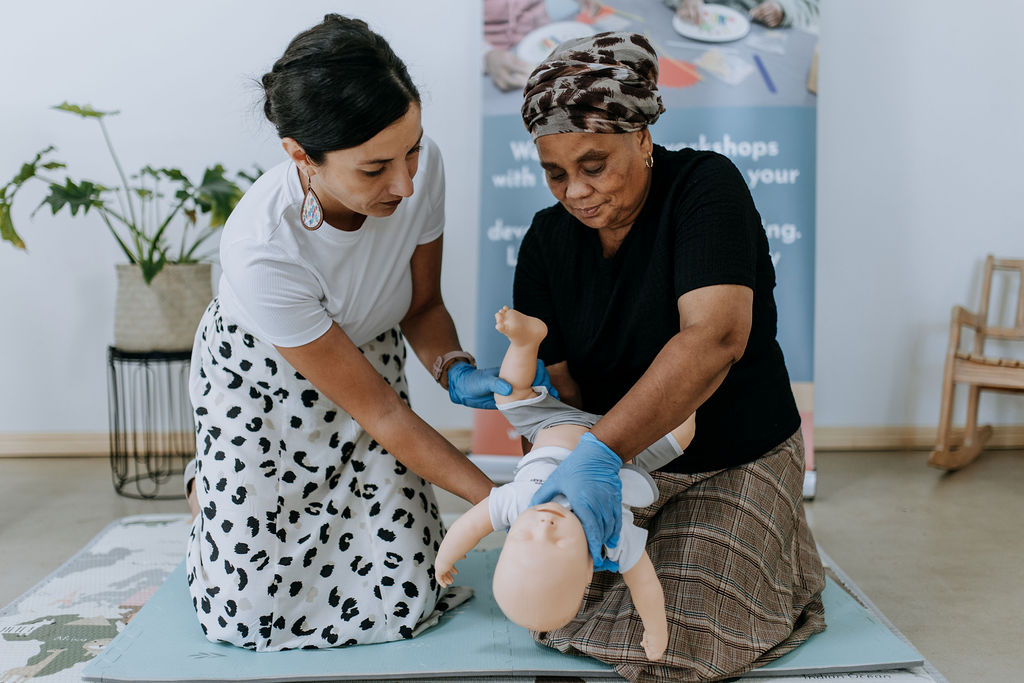
The importance of training before becoming a nanny
Nannies play an important role in the daily lives of children and families. Beyond supervising children, many nannies assist with routines, emotional support, learning, safety, and developmental care. Because of this, families are increasingly looking for caregivers who not only have experience with children, but who also understand professional childcare practices.
While some caregivers enter nannying through personal parenting experience or informal childcare roles, training can help build the practical knowledge and confidence needed to work professionally within a family environment. Training may cover areas such as child development, safety, communication, routines, behaviour guidance, and emergency response.
For new caregivers, formal training can provide a strong foundation before entering the industry. For experienced caregivers, continued learning can help strengthen skills, improve professionalism, and support better childcare outcomes.
This article explores why training matters in nannying, what areas of childcare training commonly include, and how professional development can benefit both caregivers and families.
Understanding the role of a modern nanny
The role of a nanny has evolved over time. Many families today look for caregivers who can support children in a more holistic way, including developmental stimulation, emotional wellbeing, structured routines, and age-appropriate learning opportunities.
Depending on the family’s needs, a nanny may be responsible for:
- Infant and newborn care
- Preparing meals for children
- Assisting with developmental activities
- Managing daily routines
- School transport
- Homework support
- Encouraging emotional regulation
- Monitoring safety and hygiene
Without proper preparation, some caregivers may feel overwhelmed by the expectations that come with professional childcare roles.
Training can help caregivers better understand both the practical and emotional responsibilities involved in working closely with children and families.
Building confidence and professionalism
One of the main benefits of childcare training is increased confidence.
Many new caregivers feel nervous about handling:
- Newborn routines
- Feeding and sleep schedules
- Emergencies
- Behaviour challenges
- Communication with parents
- Developmental concerns
Training allows caregivers to learn in a structured environment where they can ask questions, practise skills, and gain practical understanding before entering a professional role.
Professional training can also help caregivers understand workplace expectations such as:
- Punctuality
- Communication
- Confidentiality
- Appropriate boundaries
- Professional conduct within a family home
These skills are important in helping caregivers build trust with families.
Understanding child development
A strong understanding of child development is valuable for any nanny.
Training often helps caregivers understand:
- Developmental milestones
- Age-appropriate activities
- Emotional development
- Play-based learning
- Communication stages
- Behaviour patterns at different ages
For example, a toddler’s emotional outbursts may be linked to developmental frustration rather than “bad behaviour.” Understanding these stages can help caregivers respond more calmly and appropriately.
Training can also help nannies create activities that support learning, creativity, language development, and independence in everyday routines.
Safety and emergency preparedness
Safety is one of the most important aspects of childcare.
Training programs often include:
- Basic first aid
- CPR awareness
- Choking response
- Burn safety
- Hygiene practices
- Safe sleep guidelines
- Household safety awareness
For families, knowing that a caregiver has received some form of safety training may provide additional reassurance.
While emergencies are not common, preparation can help caregivers respond more effectively and calmly if unexpected situations arise.
Supporting children emotionally
Children benefit from caregivers who understand emotional support and positive communication.
Training may help nannies learn:
- Positive behaviour guidance techniques
- Emotional regulation support
- The importance of consistency and routine
- Healthy communication approaches
- Ways to build secure and respectful relationships with children
Caregivers often spend many hours with children each day, making their interactions influential in a child’s emotional environment.
Professional development can help nannies approach these responsibilities with greater awareness and sensitivity.
The value of continued learning
Childcare practices continue to evolve as new research and educational approaches emerge. Ongoing learning allows caregivers to stay informed and improve their skills over time.
Many caregivers choose to continue developing their knowledge through:
- Workshops
- Online courses
- First aid refreshers
- Newborn care training
- Special needs support workshops
- Child development courses
Continued professional development may also improve employment opportunities and help caregivers feel more confident in their work.
Key takeaways for parents and caregivers
- Childcare training helps caregivers build practical skills and confidence
- Understanding child development supports age-appropriate care
- Safety and first aid knowledge are important in childcare environments
- Professionalism and communication are essential workplace skills
- Emotional support and positive guidance benefit children’s wellbeing
- Ongoing learning helps caregivers continue improving their knowledge
Conclusion
Training before becoming a nanny can provide caregivers with valuable knowledge, confidence, and practical childcare skills. While experience remains important, professional development helps prepare caregivers for the responsibilities and expectations involved in working closely with children and families.
For families, trained caregivers may offer greater preparedness and understanding of child development, routines, safety, and emotional support. For caregivers, training can support long-term growth, professionalism, and confidence within the childcare industry.
As childcare needs continue to evolve, education and ongoing learning remain important tools in supporting safe, informed, and nurturing care environments for children.