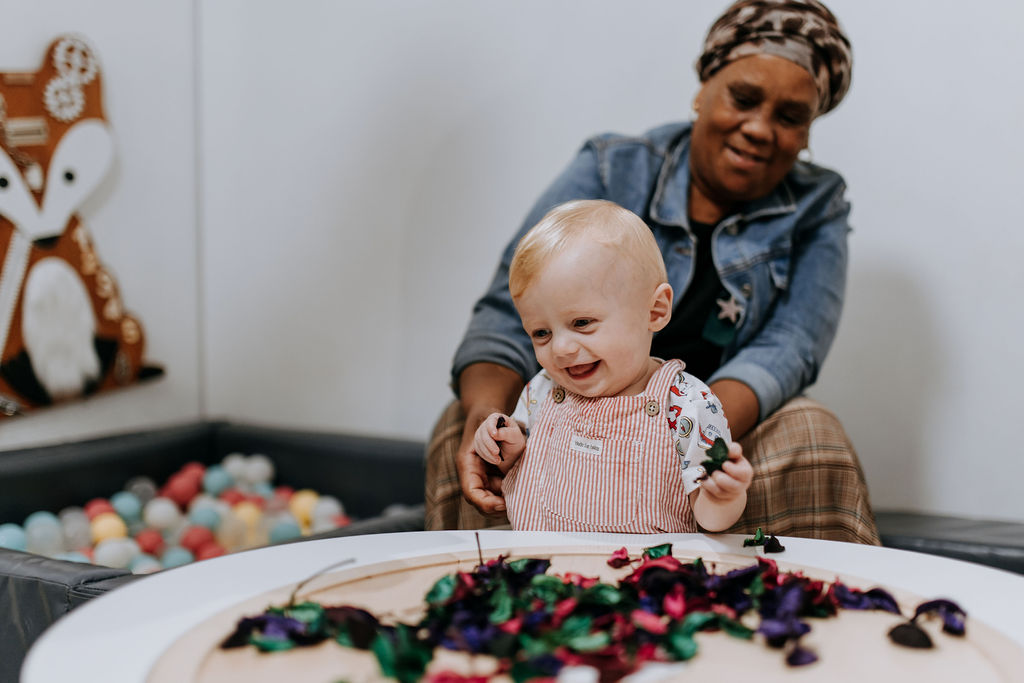
The early years of a child’s life are a period of remarkable growth, discovery, and learning. Research shows that the first 1,000 days – from conception to around two years of age – are especially important for brain development. During this time, a child’s brain forms more neural connections than at any other stage, creating the foundation for future learning, behaviour, and overall health.
For many parents and caregivers, the idea of “stimulation” can feel overwhelming, often associated with structured activities or specialised toys. However, meaningful developmental support does not require complex routines or expensive resources. Instead, it is built through consistent, everyday interactions and play.
This article explores what stimulation means in early childhood, the key areas of development it supports, and simple, practical ways caregivers can incorporate meaningful play into daily routines.
What Is Stimulation in Early Childhood?
Stimulation refers to the experiences and interactions that help a child learn about and engage with the world around them. It includes everything a child sees, hears, touches, tastes, and feels.
Positive stimulation supports the formation of strong brain connections, which are essential for cognitive, emotional, and physical development. These experiences do not need to be elaborate – responsive caregiving, communication, and play are among the most effective forms of stimulation.
Everyday Moments as Learning Opportunities
Parents and caregivers often feel pressure to plan structured activities, but some of the most valuable developmental opportunities happen naturally throughout the day.
Simple routines can become powerful learning moments, such as:
- Bath time: Talking about water, naming body parts, and allowing splashing
- Feeding time: Describing tastes, textures, and colours of food
- Nappy changes: Making eye contact, singing, and engaging in conversation
These consistent, responsive interactions help build language, strengthen emotional bonds,and support overall development. Importantly, meaningful stimulation is not about quantity, but about the quality of engagement.
Understanding the Areas of Development
Child development occurs across several interconnected areas. A balanced approach to playand interaction helps support all of them:
- Language development: Listening, understanding, and speaking
- Cognitive development: Thinking, learning, and problem-solving
- Fine motor skills: Small muscle movements, such as grasping objects
- Gross motor skills: Larger movements, including rolling, crawling, and walking
- Social development: Interacting and building relationships with others
- Emotional development: Recognising and expressing feelings
- Sensory development: Exploring the world through the senses
Providing a variety of experiences helps children build skills across these domains in a natural and integrated way.
Simple Play Ideas: The “Bs” Approach
Play does not require specialised toys. Everyday objects can offer meaningful developmental benefits. One simple way to think about play is through the “Bs”:
- Balls: Encourage rolling, throwing, and kicking to support motor development and coordination
- Bubbles: Promote visual tracking, reaching, and shared enjoyment
- Books: Support language development, imagination, and bonding through shared reading
- Boxes: Encourage creativity, problem-solving, stacking, and exploration
These accessible play options demonstrate that learning opportunities are often already available within the home environment.
Daily Activities That Make a Difference
Small, consistent actions can have a significant impact on a child’s development. Incorporating the following into daily routines can be highly beneficial:
- Spending time outdoors: Exposure to fresh air and natural environments supports sensory development
- Sharing books: Even young babies benefit from hearing language and seeing images
- Talking throughout the day: Describing actions, naming objects, and responding to sounds encourages communication
- Singing songs and rhymes: Supports memory, rhythm, and early language skills
These activities help create a rich, language-filled and engaging environment for young children.
The Importance of Tummy Time
For babies who are not yet mobile, tummy time is an essential daily activity. It should be introduced early and practised several times a day for short periods.
Tummy time helps to:
- Strengthen neck, shoulder, arm, and core muscles
- Prepare babies for milestones such as rolling, sitting, and crawling
- Reduce the risk of developing flat spots on the head
To make tummy time more engaging, caregivers can get down on the floor, talk or sing to the baby, and place toys or mirrors within view to encourage interaction.
Key Takeaways for Caregivers
- Stimulation in early childhood comes from everyday interactions, not complexactivities
- Consistent communication and responsive caregiving support brain development
- Play should be simple, accessible, and integrated into daily routines
- A variety of experiences supports multiple areas of development
- Activities like book sharing, talking, and singing have lasting developmental benefits
- Tummy time is essential for building strength and supporting physical milestones
Conclusion
Early stimulation is not about doing more, but about being present, responsive, and engaged. The everyday moments shared between a caregiver and child – talking, playing, and connecting – form the foundation for healthy development.
By focusing on simple, consistent interactions, parents and caregivers can confidently support their child’s growth across all developmental areas. When needed, guidance from early childhood professionals can further support informed decision-making and ensure that each child’s developmental needs are met.