The first five years of a child’s life are some of the most important years for growth and development. During this stage, children are learning rapidly — not only physically, but emotionally, socially, and cognitively as well. Their early experiences help shape how they view the world, build relationships, manage emotions, and develop confidence.
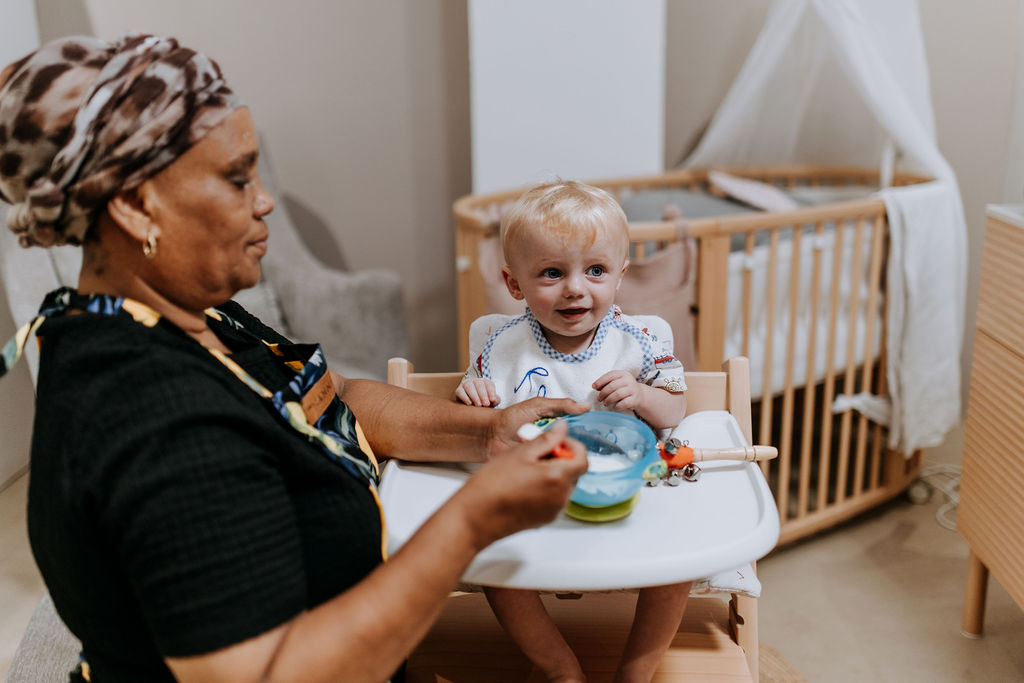
For many families, caregivers such as nannies, au pairs, grandparents, or childminders play a meaningful role in daily life. A caregiver often becomes part of a child’s routine, support system, and sense of security. Because of this, the quality of care a child receives matters greatly.
Children aged 0–5 do not need perfection. They need consistency, warmth, safety, and responsive adults who understand that early childhood is a time of learning through connection and play. Whether care is provided for a few hours a day or on a full-time basis, the caregiver’s approach can have a lasting positive impact.
This article explores what children in this age group truly need from a caregiver, and how thoughtful, developmentally appropriate care supports healthy growth
Safety and physical care
A child’s most basic need is to feel safe and well cared for. Young children rely entirely on adults to meet their physical needs.
This includes:
- Safe supervision
- Clean hygiene practices
- Nutritious meals and snacks
- Appropriate sleep and rest routines
- Safe play spaces
- Gentle handling, especially with babies and toddlers
Children who feel physically safe are better able to explore, play, and learn confidently.
For babies, safety may mean careful feeding, nappy changing, and secure sleep routines. For older toddlers and pre-schoolers, it may mean active supervision during outdoor play or helping them learn safe boundaries.
Warmth, connection, and emotional security
Children thrive when they feel loved, accepted, and emotionally safe. A caregiver does not replace a parent but can become a trusted and important attachment figure. Children need caregivers who: Respond kindly to distress
- Offer comfort when upset
- Use calm voices and predictable behaviour
- Show affection appropriately
- Notice emotional cues
For example, when a toddler falls and cries, a calm and caring response helps the child feel secure. When a pre-schooler feels nervous at drop-off, reassurance and consistency can ease anxiety. Warm relationships help children build trust and emotional resilience.
Consistency and routine
Young children feel more settled when life feels predictable. Knowing what comes next gives them a sense of control and security.
A caregiver can support this through simple routines such as:
- Similar meal and snack times each day
- Predictable nap or quiet time
- Regular outdoor play
- A tidy-up routine after activities
- Calm transitions between tasks
Routine does not need to be rigid. Instead, it should create rhythm and stability.
Children who know what to expect often cope better with behaviour challenges, transitions, and separation from parents
Discover how daily routines help babies feel safe and secure.
Play and exploration
Play is how young children learn. Through play, children build language, creativity, coordination, problem-solving skills, and social understanding.
A strong caregiver understands that meaningful play does not need to be expensive or complicated. Examples include:
- Sensory play with water, rice, sand, or dough
- Building blocks
- Pretend play with dolls or kitchen sets
- Reading books together
- Outdoor exploration
- Singing songs and movement games
Children aged 0–5 need opportunities to explore freely while being supported by an engaged adult.
Support for developmental milestones
Each child develops at their own pace, but caregivers can help by noticing progress and offering age-appropriate opportunities.
Pre-schoolers (3–5 years)
- Problem-solving tasks
- Independence skills
- Early literacy through books and storytelling
A caregiver does not need to be a teacher, but awareness of developmental stages is highly valuable
Boundaries and gentle guidance
Children need loving boundaries. Limits help them feel secure and teach appropriate behaviour. Effective caregivers often:
- Stay calm during tantrums
- Use simple, clear instructions
- Follow through consistently
- Redirect rather than shame
- Model respectful behaviour
For example, instead of shouting “Stop that!”, a caregiver may say, “Hands are for helping, not hitting. Let’s try again.”
This approach teaches skills rather than creating fear.
Communication with parents
One of the most valuable qualities in a caregiver is strong communication with parents. Children benefit when the adults caring for them work as a team.
Helpful communication may include:
- Sharing how the day went
- Reporting meals, naps, moods, or concerns
- Asking questions when unsure
- Respecting household values and routines
Open communication builds trust and consistency for the child.
Conclusion
A child’s needs in the early years are often beautifully simple: to feel safe, loved, understood, and supported while they grow. Caregivers who provide calm guidance, responsive care, and opportunities for play can make a meaningful difference in a child’s daily life.
Families do not need to look for perfection, but rather for caregivers who are warm, reliable, and willing to learn. With the right support and communication, caregivers become valuable partners in helping children thrive during these foundational years.
Thoughtful early care lays the groundwork for confidence, resilience, and healthy development well beyond age five.