
For the first 18 years of my life, I assumed most people grew up the way I did—surrounded by a loving family with a mom and dad, going to a great school, and living in a safe neighbourhood where I could enjoy being a child. I’ll never forget the time in primary school when my mom took me to help feed children from a local community—it was an eye-opening experience. But it wasn’t until I turned 18 and visited Khayelitsha that I truly realised how different my life was from the majority of South Africans.
Now, as you’re reading this blog and trying to understand the role of NGOs, you might be wondering about the daily struggles that many South Africans face.
Here are a few stats to give you a sense of the scale of the challenges:
- As of 2023, 55 % of South Africans live below the national poverty line, grappling with unemployment and limited access to basic services. The poverty line in South Africa is around R1400 per month, which is shocking!
- By 2020, South Africa had 2.9 million orphans, which is about 14% of all children in the country. The statistics for vulnerable children are even worse. Estimates suggest that 42% of boys and 43% of girls in South Africa will experience some form of abuse before the age of 18.
- Abandoned babies statics are heartbreaking. Estimates suggest that over 10 000 babies are abandoned annually, with the majority found dead.
- Over 62% of children in South Africa live in low-income situations, and many face additional vulnerabilities like poverty, HIV/AIDS, and other socio-economic challenges.
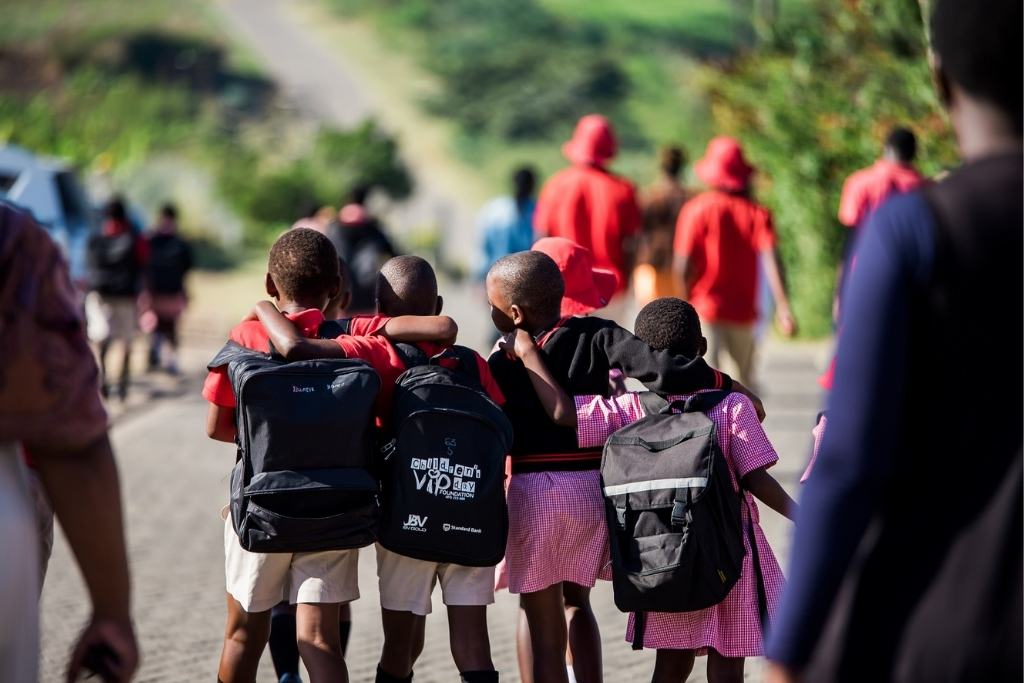
- In 2023, 919 000 childrenwere out of school, marking a 62% increase from the year before. Education quality remains a huge issue, especially in rural and disadvantaged areas.
- Unemployment in South Africa is at 23,7% with youth unemployment hitting a staggering 60%.
- Gender-based violence is also a massive issue, with 1 in 5 women experiencing violence at the hands of a partner, and more than 50 000 sexual offences reported annually.
This list goes on, and it’s clear that the task of addressing these challenges is way too big for the government alone. That’s where NGOs come in.
What Do NGOs Do?
NGOs are like the unsung heroes of South Africa. They step in to tackle the tough issues, support people in need, and help make the country a better place for everyone. They play an enormous role in driving positive change, and without them, South Africa would look very different.
There are over 100 000 NGO’s in South Africa, though not all are formally registered, and the number can fluctuate. These organisations work across many sectors, and here are some of their focus areas that I have been part of:
- Combating Poverty: NGOs provide immediate relief such as food, clothing, and shelter to struggling families. They also focus on long-term solutions, including skills development, job creation, and support for small businesses, empowering people to break the cycle of poverty.
- Supporting Orphaned and Vulnerable Children With millions of orphans in South Africa, NGOs offer essential services such as foster care placements, access to education, counselling, and safe homes for children who have lost their families. These initiatives ensure that vulnerable children receive the care and opportunities they need to build better futures.
- Rescuing and Caring for Abandoned Babies Many NGOs operate baby safe havens, adoption services, and crisis response teams to rescue abandoned babies. They provide medical care, temporary housing, and work to place children in loving homes, giving them a second chance at life.
- Improving Education and Youth Development Education in South Africa faces huge challenges—overcrowded classrooms, lack of resources, and poor infrastructure. NGOs help by running after-school programs, tutoring, providing scholarships, and mentorship for young people, helping them secure better futures.
- Promoting Health and Well-Being With health issues like HIV/AIDS, tuberculosis, mental health concerns and also just deceases we can easily prevent, NGOs are on the front lines. They raise awareness, provide treatment services, and work to improve maternal and child health, nutrition, and combat infectious diseases.
- Tackling Gender-Based Violence Gender-based violence is a serious issue, and NGOs provide vital support to survivors, such as shelters, counselling, legal help, and helplines. They also advocate for policy changes and raise awareness to combat violence.
- Community Development NGOs work on projects that build infrastructure—like water supplies, sanitation facilities, and roads—in underserved areas. They also promote self-reliance by empowering communities to take charge of their own development.
- Economic Development and Job Creation NGOs provide skills training, and business development programs to help individuals and communities build sustainable livelihoods and contribute to the local economy.
Having worked in the NGO sector for the past 13 years, I can tell you that this work is both demanding and deeply rewarding. Every day, we push forward to make a difference, but the truth is, we can’t do it alone. Most NGOs rely on the generosity of donors and the support of people who truly care about making change happen. It’s so important for all of us—South Africans, no matter our background or circumstances—to join hands with these organisations. So, the next time you hear about an NGO or think about volunteering or donating, remember: these organisations are the lifeblood of social change in South Africa, working tirelessly to make life better for millions of people every day. And we’d be lost without them! Let’s work together, support each other, and build a future where we all thrive.
Carita x