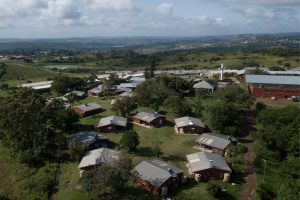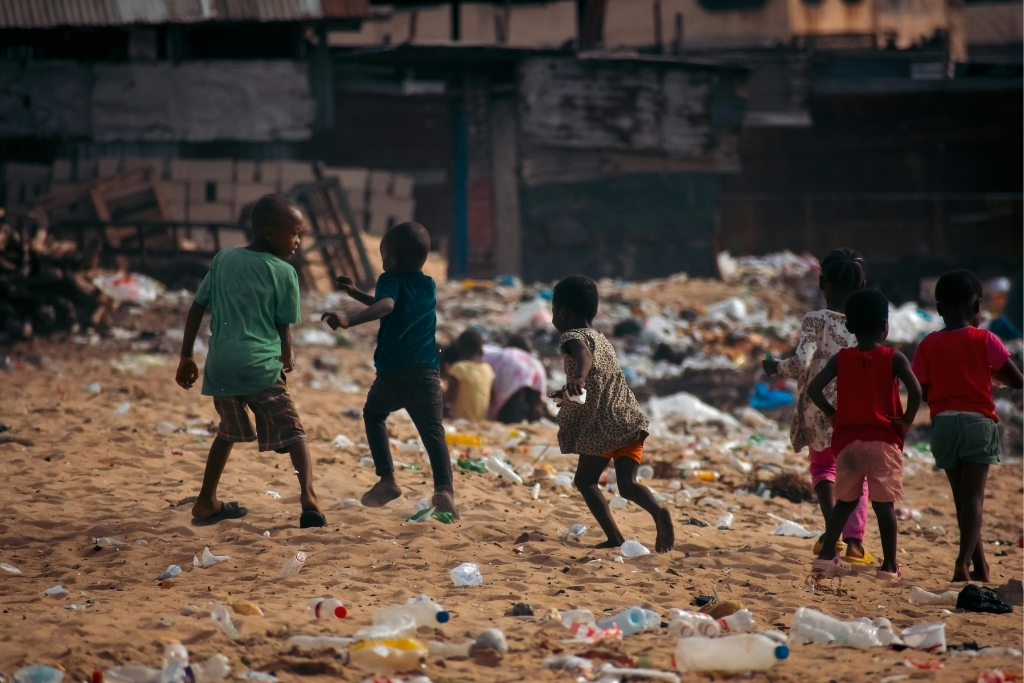

The statistics speak for themselves regarding the dire situation of vulnerable children in South Africa. It is estimated that there are around 2.8 million orphans in South Africa. According to government reports, over 12 million children live in poverty and about 50,000 children live in institutional care facilities, such as orphanages and CYCC’s (child and youth care centres).
Vulnerable children in South Africa are in a crisis. One in every 25 children dies before their fifth birthday. Of those that survive, 71% live below the upper-bound poverty line in households that do not have sufficient income to meet their basic needs. 29% Of children are stunted – a sign of chronic malnutrition that compromises physical growth and brain development. Less than half of 4-5-year-olds attending early learning programmes are developmentally on track. The biggest issues for orphaned and vulnerable children and adolescents remain poverty and food insecurity, high rates of violence and neglect, not attending school, and limited access to healthcare services.
South Africa’s child protection system is reactive, centered on a rescue-and-remove approach, and leaning heavily on institutional care as the primary solution. Institutional care lacks consistency and permanency for the well-being of children. Children in institutions often experience emotional neglect due to high child-to-caregiver ratios and the absence of personalised, consistent relationships. This can lead to attachment issues, behavioural problems, and delayed cognitive development. Children raised in institutions may struggle to reintegrate into society, lacking the social and life skills developed in a family environment. While many institutions strive to provide adequate care, others face issues like poor sanitation, insufficient nutrition, or abuse.
Family-based care, whether through biological families, temporary safe care, foster care, or adoption, offers a more supportive environment for children’s development. While institutional care is sometimes necessary for short-term interventions, the evidence strongly supports family-based care as a better long-term solution for the holistic well-being of children.
It is easy to feel overwhelmed in these situations.
The African proverb states that it takes a village to raise a child, this means that an entire community of people must provide for and interact positively with children for those children to experience and grow in a safe and healthy environment.
Is this dated or can we be part of the village we so often talk about?
There is an epidemic of loneliness, isolation and disconnection in our generation.
Why don’t we be counter cultural and choose to be part of the solution by opening up our hearts, lives, families and homes in response to the crisis of vulnerable children in South Africa?
I’d love to inspire families to become foster parents or temporary safe care parents, providing care to vulnerable children, with an emphasis on the ‘missing middle’ – those children between 2-6 years old as well as older children with complex trauma and behavioural challenges, who are difficult to find placements for. There is currently a significant need within the social work space for safety parents willing to take children in this age group – most safety parents want a baby and see older children as more difficult to integrate into the family or requiring additional education, physical therapy, and psychological support.
I recognise that this is a tall ask, there is good news though, you don’t have to foster or adopt to make a difference. Start small. You don’t have to fix everything. You just have to be intentional in how you show up in love.
Max Goodwin the lead character in the series New Amsterdam asks a simple but powerful question: ‘How can I help’. Everyone has something to give. Below you will find various ways to be the village to vulnerable children.
How can I help?
- Regular Meal
- Meal Train: Organise a rotating schedule where people drop off home-cooked meals to foster families, or CYCC’s
- Gift cards: Provide cards to restaurants/ coffee shops or grocery stores for quick and flexible meals.
- Childcare Support
- Respite Care: Offer to watch the kids for a few hours / volunteer your time at an NPO whose focus is on vulnerable children.
- Babysitting during appointments: Help with childcare during court hearings, therapy sessions, or doctor visits.
- Help with Homework / Studying / Tutoring older kids
- Housework Help
- Offer to help with cleaning, laundry, or garden work
- Form a small team that can do monthly “household help days.”
- Transportation
- Help drive kids to school, appointments, or extramurals, especially if there are multiple children.
- Financial or Material Support
- Contribute to clothing, school supplies, nappies or baby items. There are many children’s homes that are in need of material support.
- Donate or help source furniture, car seats, prams, etc.
- Help with bills or unexpected expenses. ( there’s very little financial help from the government).
- Emotional and Spiritual Support
- Check in regularly: A simple call or whatsapp to see how foster families are doing.
- Prayer partners: Offer to pray with and for foster parents and vulnerable children in their care.
- Encouragement notes/cards: Send uplifting messages or Bible verses.
- Inclusion and Community
- Invite her and her children to church events, family gatherings, and playdates.
- Ensure she feels part of the community—not isolated because of her unique situation.
- Advocacy and Understanding
- Learn about the foster/adoptive system to better support and empathize with the foster family’s situation.
- Help educate others about trauma-informed care and ways to be sensitive and helpful.
- Service provider
- Are you a service provider who is able to provide your services at a discounted rate or pro bono?
- Doctor/ Dentist/ Counsellor/ play therapist/ tutor/ Pilates instructor/ web designer / tax consultant/ photographer/ air bnb host/ anything that will bless the foster family.