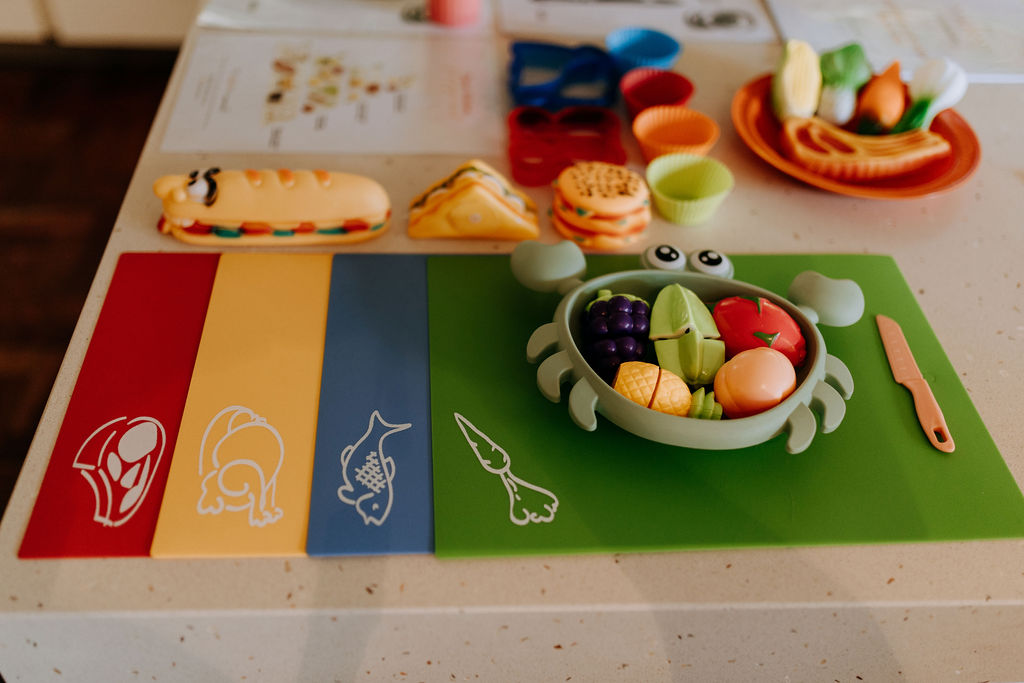
In many homes, caregivers and nannies play an essential role in supporting children’s daily routines, especially when it comes to mealtimes. From preparing breakfast before school to organizing snacks and cooking lunch, they are often responsible for a large portion of what children eat each day. This creates a valuable opportunity not only to nourish children with healthy, balanced meals but also to build confidence and practical skills in the kitchen.
Children require consistent, nutritious meals to support their growth, concentration, energy levels and immune systems. Meals that include a variety of fruits, vegetables, whole grains, healthy fats and proteins help establish strong foundations for lifelong healthy habits. Importantly, healthy eating does not need to be expensive, complicated or time-consuming.
Simple meals made with everyday ingredients can be both nutritious and appealing to children. At the same time, caregivers can be taught practical cooking skills that benefit the entire household. When parents and caregivers work together around nutrition, healthy eating becomes more consistent, enjoyable and sustainable for everyone involved.
Why healthy meals matter for children
Children grow rapidly, both physically and mentally, and their nutritional needs are high. Balanced meals support brain development, stable energy levels, emotional regulation and strong immune systems. Diets high in sugar or processed foods may lead to short bursts of energy followed by fatigue, irritability and difficulty concentrating.
A balanced plate should include protein, healthy carbohydrates, fats and a variety of fruits and vegetables. Hydration is equally important, with water and milk being the best options for children.
Simple healthy meal ideas nannies can prepare
Healthy meals can be simple, quick and affordable when using everyday ingredients.
Breakfast ideas:
- Oats with banana and cinnamon provide fibre and sustained energy.
- Scrambled eggs on whole wheat toast offer protein and healthy carbohydrates.
- Yoghurt with fruit and granola is quick and versatile.
- Smoothies with milk, oats and fruit are ideal for busy mornings.
Lunch ideas:
- Chicken wraps with vegetables are easy to assemble and nutritious.
- Mini sandwiches with tuna, egg mayo or cheese are child friendly.
- Vegetable pasta with tomato sauce introduces vegetables in a familiar form.
- Rice bowls with chicken and vegetables provide a balanced meal.
Snack ideas:
- Apple slices with peanut butter
- Boiled eggs
- Carrot sticks with dip
- Cheese cubes and grapes
- Homemade popcorn
Dinner ideas:
- Baked chicken with rice and vegetables
- Mince with hidden vegetables in pasta sauce
- Bean stew with sweet potato
- Fish fingers with mash and peas
Teaching caregivers to cook nutritious family meals
Caregivers may already have basic cooking knowledge but benefit greatly from structured guidance. Start with simple recipes that build confidence. Teach meal planning so caregivers can prepare ahead and avoid last-minute unhealthy options. Explain basic nutrition so they understand how to balance meals.
Encouraging small changes, like choosing whole grains or reducing sugary drinks, can have a big impact. Building confidence through support and positive reinforcement helps caregivers feel more capable and motivated.
Making mealtimes positive for children
Healthy eating is also about the experience. Children respond better to calm, structured mealtimes. Caregivers can support this by offering small portions, encouraging exploration of new foods and maintaining regular routines. Involving children in simple food preparation can also increase interest in healthy eating.
Conclusion
Healthy eating becomes far more achievable when caregivers are supported with the right knowledge and tools. Nannies play a significant role in shaping children’s daily nutrition, and with simple guidance, they can confidently prepare meals that are both nourishing and enjoyable.
Parents do not need perfection: consistency and teamwork are what truly matter. Small, practical changes such as planning meals, offering healthier snacks and teaching easy recipes can make a meaningful difference over time.
When caregivers feel confident in the kitchen, they contribute positively to the home environment and to children’s wellbeing. Investing in these skills creates healthier routines, happier mealtimes and stronger foundations for children to grow and thrive.
The Nanny Movement offers the most amazing Child Nutrition workshop for nannies: https://thenannymovement.co.za/child-nutrition-essentials-training-high-quality-nanny-training-course/