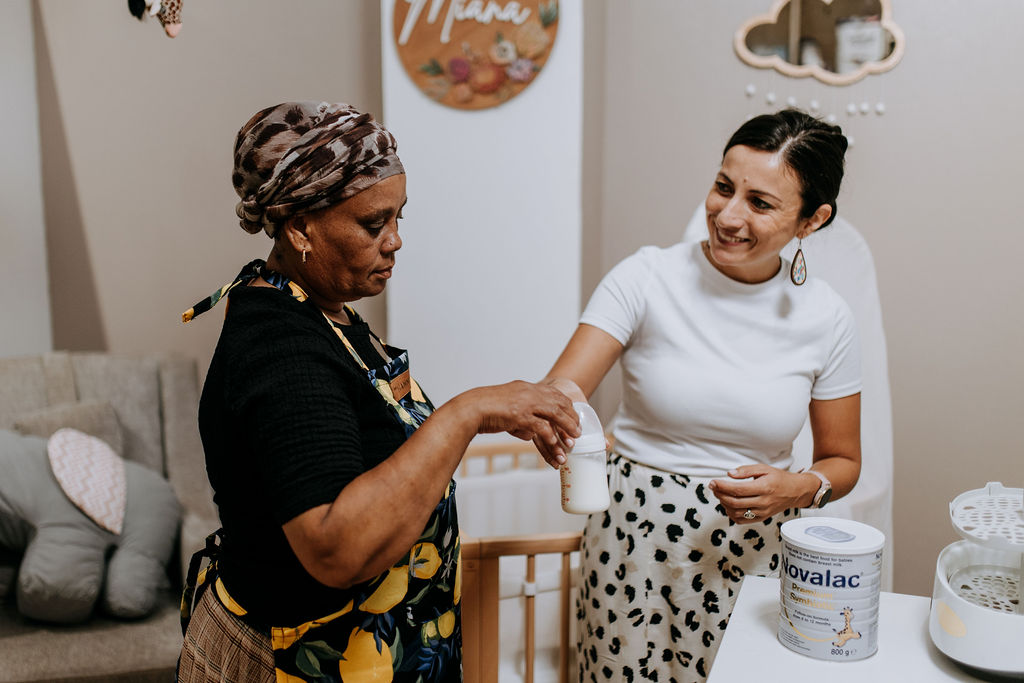
When a parent entrusts their child to a caregiver, they are placing their most precious responsibility into someone else’s hands. Whether it’s a nanny, daycare provider, family member, or an au pair, this relationship thrives on one essential element: communication.
Open, honest, and respectful communication builds trust, reduces misunderstandings, and ensures that everyone is working toward the same goal—the well-being and happiness of the child. In today’s busy world, where parents juggle work and home responsibilities, and caregivers manage the daily routines of children, it’s easy for small miscommunications to arise. However, when both parties prioritize clear and consistent communication, it creates a supportive and harmonious environment.
This not only strengthens the adult relationship but also has a direct, positive impact on the child’s emotional security and development. Good communication is not about constant updates or lengthy conversations—it’s about meaningful, respectful exchanges that keep everyone informed, aligned, and confident in their roles.
At the heart of every strong parent–caregiver relationship is mutual respect, and communication is how that respect is expressed daily. From the very beginning, setting clear expectations is crucial. Parents should communicate their child’s routines, preferences, and any specific needs, while caregivers should feel comfortable sharing their approach, experience, and any concerns they may have.
Consistency plays a key role. Simple daily check-ins—whether in person, through a message, or a shared notebook—can make a big difference. These updates don’t need to be complicated. Sharing highlights like nap times, meals, moods, or milestones helps parents stay connected to their child’s day and reassures them that their child is in good hands. Equally important is creating a safe space for honest conversations.
Challenges will arise—it’s natural. A child may go through a difficult phase, routines may need adjusting, or misunderstandings may occur. When communication is open and non-judgmental, these situations can be addressed calmly and constructively. Instead of assigning blame, both parent and caregiver can focus on finding solutions together. Active listening is another powerful tool. This means truly hearing and valuing what the other person is saying, without interrupting or becoming defensive. When caregivers feel heard and appreciated, they are more motivated and confident in their role.
Likewise, when parents feel informed and respected, their trust grows stronger. Using the right communication tools can also support this relationship. Whether it’s a messaging app, a daily diary, or scheduled weekly check-ins, having a system in place ensures that important information is not overlooked. The method matters less than the consistency and clarity of the communication.
Ultimately, good communication creates alignment. It ensures that both the parent and caregiver are on the same page when it comes to discipline, routines, and the child’s overall care. This consistency provides children with a sense of stability and security, which is essential for their emotional development.
- Set clear expectations from the start
- Keep daily communication simple and consistent
- Address concerns early, calmly, and respectfully
- Practice active listening—seek to understand, not just respond
- Use a communication system that works for both parties
- Focus on teamwork and shared goals for the child
Conclusion
A strong parent–caregiver relationship doesn’t happen by chance—it is built through intentional, ongoing communication. When both parties commit to being open, respectful, and consistent, it creates a partnership rooted in trust and understanding. This positive connection not only makes daily life smoother but also creates a nurturing environment where children can truly thrive.